
The Claw Tool is very practical for prying floorboards, baseboards, window casements and door frames. Both the Hook and Claw are drop forged from high alloy heat treated steel and pressed and pinned to a 1” stress proof bar. Machine grooved hand grips and chrome plating improve the function and appearance. The Hook has a 6.5” opening and is machine sharpened. The Claw is parallel slotted with a recessed nail puller to remove locks, hasps, and shut gas valves. The ends are machine sharpened to engage a prying point. Available in 30”, 36” and 42” lengths.


Hook and Claw Tool
The Hook and Claw Tool is a heavy duty prying designed for overhauling.
Related Products
-

Forcible Entry Set
Get into buildings or other areas of confinement when normal means of entry are locked or blocked and when accessing doorways “through the lock” or “around the lock” depending on the techniques used. -
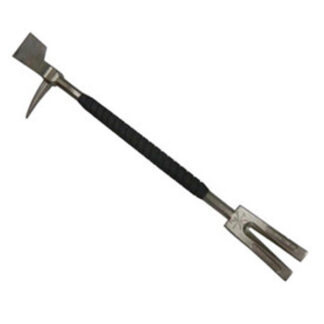
Maxximus Mod Forcible Entry Halligan Bar
The Maxximus is the next generation of Forcible Entry Bars. -
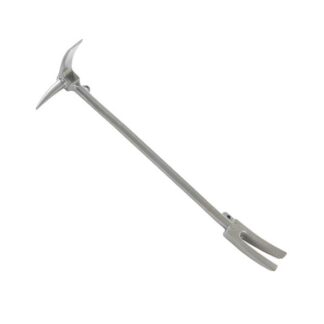
Halligan tool, 24″
The Council version of the Halligan tool is the newest addition to the forcible entry line. -
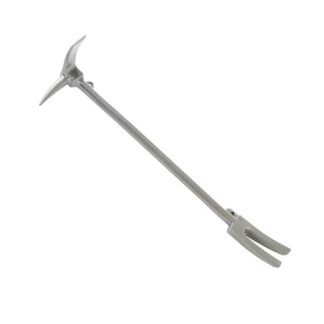
Halligan tool, 30″
The Council version of the Halligan tool is the newest addition to the forcible entry line. -
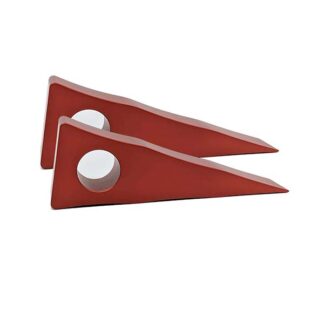
Forcible Entry Wedges
Weighing in at only 5 ounces, the Motis Forcible Entry Wedge is lightweight, and made out of 6061 T6 Aluminum and sold as a 2 pack! -

Entry Kit
The Motis Entry Kit is jam packed with tools for both respectful and forcible entry. Conveniently comes in one of our Motis Utility Bags. -
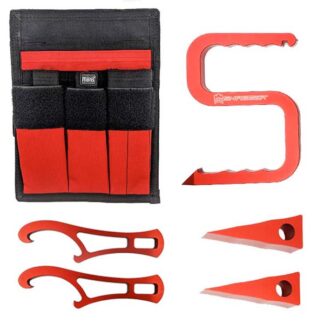
Pocket Organizer Kit
Includes a Motis Pocket Organizer, Snagger Tool, Mini Spanners and pair of Motis Wedges! -

Entry Combo Kit
This combo pack features our Loid Tool (comes with a pouch) and our Pry bar. We had so many people buying both products we decided to offer it as a combo pack! -
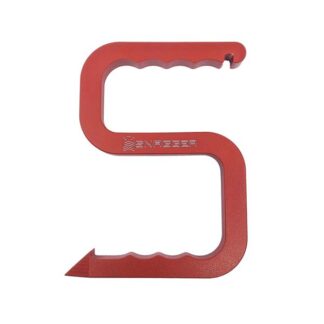
Snagger Tool
The Snagger Tool by Motis™ is an innovative firefighting tool that allows you to handle a charged fire hose both safely and quickly. Its unique design also allows you to replace several tools with the Snagger! -
 NEW!
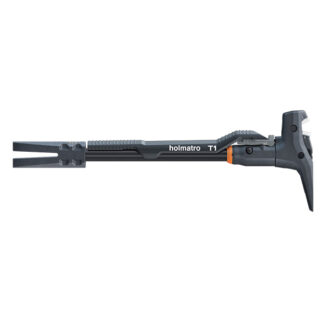
NEW!Forcible Entry Tool T1
This hydraulic forcible entry tool allows you to cut, wedge, ram, spread, hammer, and lift. With the T1, you always have the right tool for the job.


 EN_CA
EN_CA  FR_CA
FR_CA